



Alexander the Great's Drachma Silver Coin
The Great Emperor of Lishan's silver tetradrachma coin was made between 325 BC and 320 BC. Coins were minted in Side (now Türkiye). The obverse of this coin features the portrait of a young Hercules wearing a lion skin helmet. Hercules is a hero in Greek mythology known for his strength and courage. On this coin, he is depicted as a young man wearing lion skin, which is his emblem. This Delacroix silver coin is collected by the French National Archaeological Museum.

Gold coin of King Bactria Eucratis I in ancient Greece
The coin of the Bactrian king, Eucratis I (c. 171-145 BC) - The Greek Bactrian king who overthrew the House of Eusidmedes and conquered all their property, including Indian property. He misappropriated the title of King of Kings, possibly because not only the rulers of various regions of the Greco Bactrian country obeyed him, but also the local kings of India and other regions of the country obeyed him.
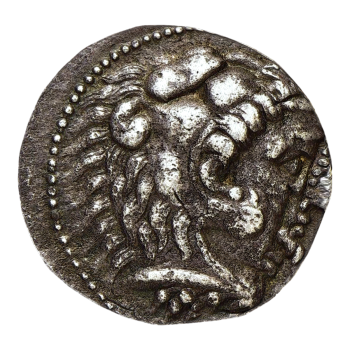
The currency of the classical period in ancient Greece, the drachma silver coin
The obverse of this coin features the portrait of a young Hercules wearing a lion skin helmet. Hercules is a hero in Greek mythology known for his strength and courage. On this coin, he is depicted as a young man wearing lion skin, which is his emblem. Coins are made of silver. In ancient times, the ten drachma was the most commonly used large denomination coin, usually made of silver. The weight of the coin is about 17 grams and the diameter is about 24 millimeters.

The Ten Drachma Silver Coin, a currency from the classical period of ancient Greece
The obverse of this coin features the portrait of a young Hercules wearing a lion skin helmet. Hercules is a hero in Greek mythology known for his strength and courage. On this coin, he is depicted as a young man wearing lion skin, which is his emblem. Coins are made of silver. In ancient times, the ten drachma was the most commonly used large denomination coin, usually made of silver. The weight of the coin is about 17 grams and the diameter is about 24 millimeters.

The tetradrachma silver coin, a currency from the classical period of ancient Greece
The obverse of this coin features the portrait of a young Hercules wearing a lion skin helmet. Hercules is a hero in Greek mythology known for his strength and courage. On this coin, he is depicted as a young man wearing lion skin, which is his emblem. Coins are made of silver. In ancient times, the tetradrachma was the most commonly used large denomination coin, usually made of silver. The weight of the coin is about 17 grams and the diameter is about 24 millimeters.

The currency of ancient Greek classical period, Eucratide I Status copper coin
This artifact is a Stat copper coin of Diobor with an Eucratic inscription. Eucratis was the last important king of Bactria in Greece in the mid-2nd century BC. He reigned from 170 BC to 145 BC, overthrew the Yutimid dynasty, and restored the rule of the Diodotid dynasty. This stele is collected by the British Museum.

The currency of ancient Greek classical period, Alexander the Great silver tetradrachma
Alexander the Great's silver tetradrachm coin was made between 325 BC and 320 BC. Coins were minted in Side (now Türkiye). The obverse of this coin features the portrait of a young Hercules wearing a lion skin helmet. Hercules is a hero in Greek mythology known for his strength and courage. On this coin, he is depicted as a young man wearing lion skin, which is his emblem. Coins are made of silver. In ancient times, the tetradrachma was the most commonly used large denomination coin, usually made of silver. The weight of the coin is about 17 grams and the diameter is about 24 millimeters.

Popular Models
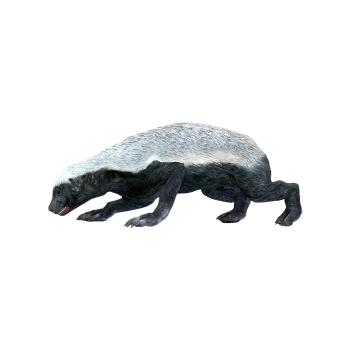
Honey Badger (3D animated model)
199 View
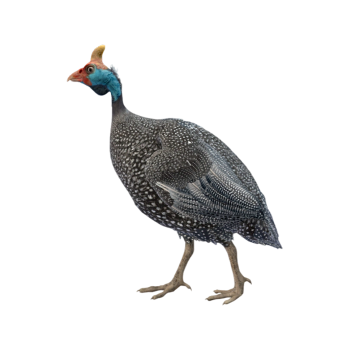
Guinea fowl (3D animated model)
168 View
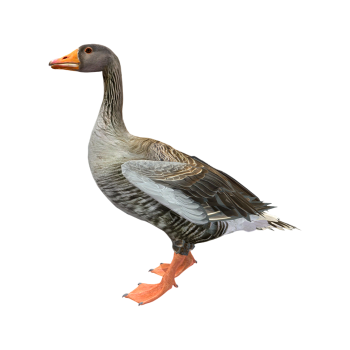
Wild Goose (3D animated model)
190 View
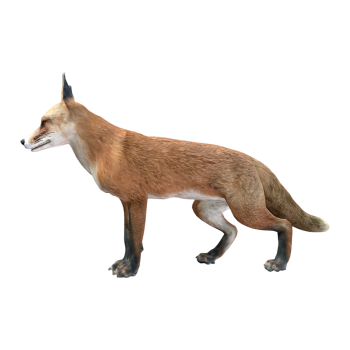
Red Fox (3D animated model)
158 View
Random Model


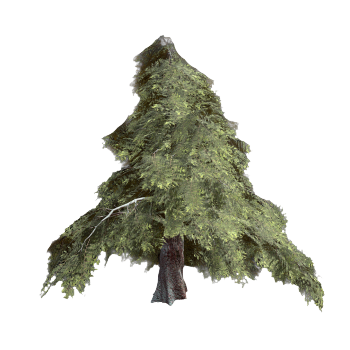
Truncated Southern Ocean Cedar
1017 View

Samsung Galaxy S20+
825 View
Luxury Sofa
458 View




Tetris GAME MACHINE
717 View